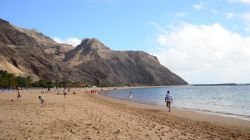
Visit Punta de Teno, a place with breathtaking views in Tenerife
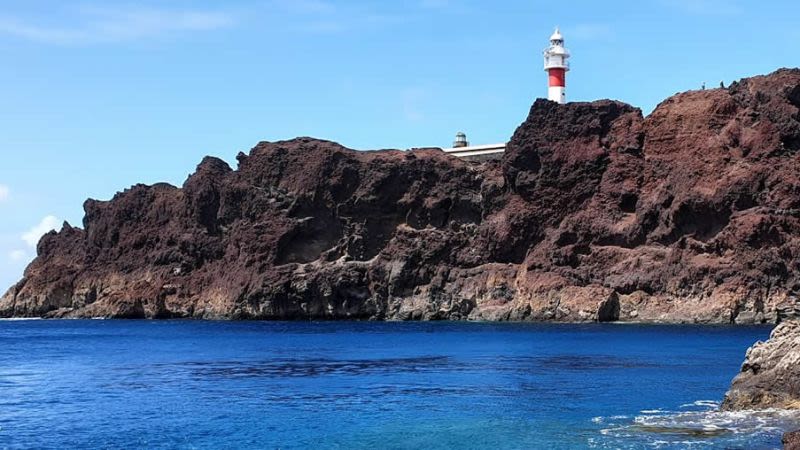
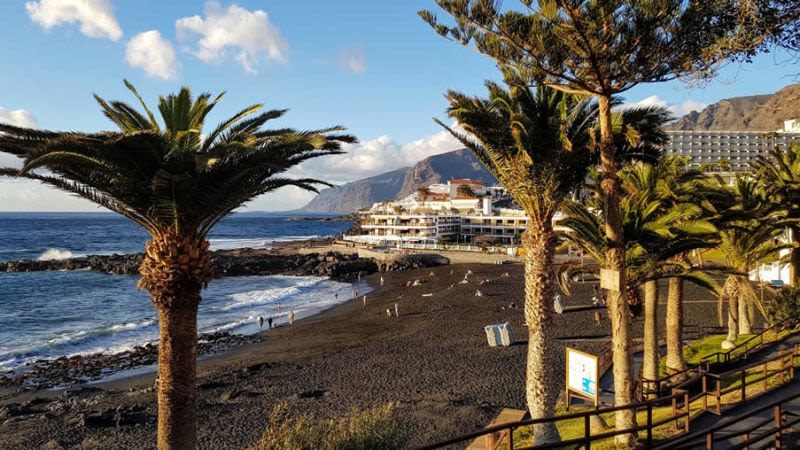
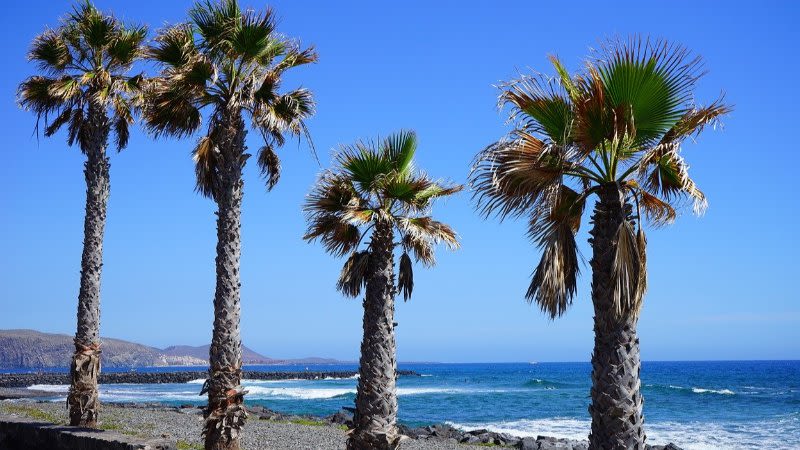
Punta de Teno is Tenerife's westernmost point and today it's part of a protected area: Teno Rural Park (Parque Rural Teno). The entire park has a large surface that spreads throughout several municipalities: Buenavista del Norte, Los Silos, El Tanque and Santiago del Teide.
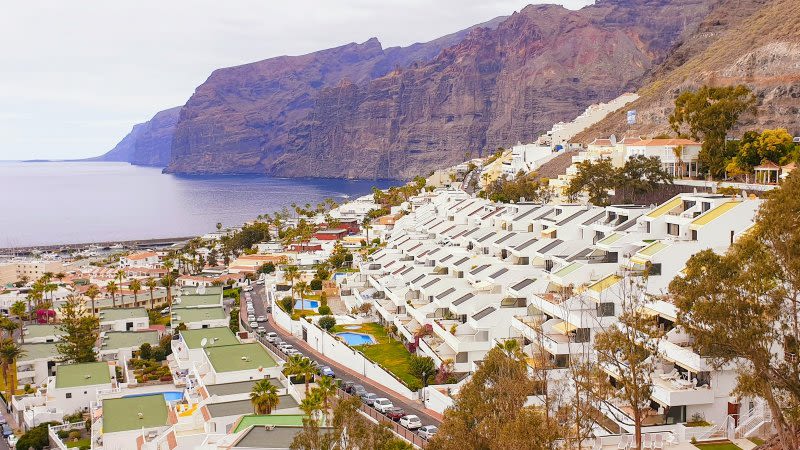
From Punta de Teno you have lovely views towards the cliffs of Los Gigantes, offering a new perspective on this iconic symbol in Tenerife.
Punta de Teno Lighthouse
The current lighthouse has entered in service in 1978, when it replaced the old lighthouse which had been built in 1897.
The Punta de Teno Lighthouse is still functional and it's just one of the 7 lighthouses around the coast of Tenerife.
The lighthouse is not open to tourists and can't be visited, but it's still an interesting structure that is often the focus of many photographs that you see from the area.
How to get to Punta de Teno
Until 2019, access to Punta de Teno was possible either by personal car, or by using a public bus from Buenavista del Norte.
Since April 15th, 2019, access to Punta de Teno is permitted EXCLUSIVELY via public bus (Guagua) from Buenavista del Norte (with some EXCEPTIONS, which you can read below).
This measure was taken due to the ever-larger number of visitors who came by car to Punta de Teno, a place which is narrow towards the tip and lacks sufficient parking places for all the cars arrived there.
The road to Punta de Teno has been closed due to roadworks and it is reopening on June 14, 2022.
Access is still permitted by personal car for persons with disabilities, for taxis, bikes and emergency vehicles.
BUS LINE 369 - TITSA
Operated from Monday to Sunday
Access to Punta de Teno will be possible exclusively by bus between 9:00 a.m. and 8:00 p.m., Monday through Thursday. Outside of these hours you can still drive to Punta de Teno on your own
On weekends, the barrier that restricts access will remain lowered from 9:00 a.m. on Friday until 9:00 a.m. on Monday, so it will not be possible to drive to the lighthouse on your own.
You can pay for the bus ticket to Punta de Teno with the Ten+ card, bank card, or cash.
Departures from Buenavista del Norte - weekdays
- 10:10
- 11:05
- 12:00
- 13:10
- 14:05
- 15:00
- 16:10
- 17:05
- 18:05
Departures from Punta de Teno - weekdays
- 10:35
- 11:25
- 12:25
- 13:35
- 14:25
- 15:25
- 16:35
- 17:25
- 18:25
On Saturdays, Sundays and holidays, the buses will depart at 10:10, 11:05, 12:00, 13:00, 14:00, 15:00, 16:10, 17:05 and 18:05, 18:40 hours in the Teno direction. The return is scheduled at 10:35 am, 11:25 am, 12:25 pm, 1:25 pm, 2:25 pm, 3:25 pm, 4:35 pm, 5:25 pm and 6:25 pm, 7:05 pm.
Ticket price: € 1 each way.
- Best Apartments in Tenerife: Kn Aparthotel Columbus (Playa de Las Americas) • Aparthotel Los Dragos del Sur (Puerto Santiago)
- Popular hotels in Tenerife: H10 Costa Adeje Palace 4* (Costa Adeje) • Iberostar Bouganville Playa 4* (Playa de Las Americas) • Barceló Santiago (Puerto Santiago)
- Luxury 5* hotels in Tenerife: Adrián Hoteles Roca Nivaria (Adeje) • Vincci Selección La Plantación del Sur (Adeje)
- See our dedicated guide for the best places to stay in Tenerife.
- Best Excursions & Tours: Whale & Dolphin Watching with Drinks & Snacks • Loro Parque Entry Ticket and Shows